

The Jewel of Southern Africa;
General Info:
Capital: Harare
Continent: Africa
Population: Approximately 16 million (2024 estimate)
Official Languages: English (official), Shona, Ndebele
Currency: Zimbabwean dollar (ZWL), though the US dollar is widely used
Time Zone: Central Africa Time (UTC+2)
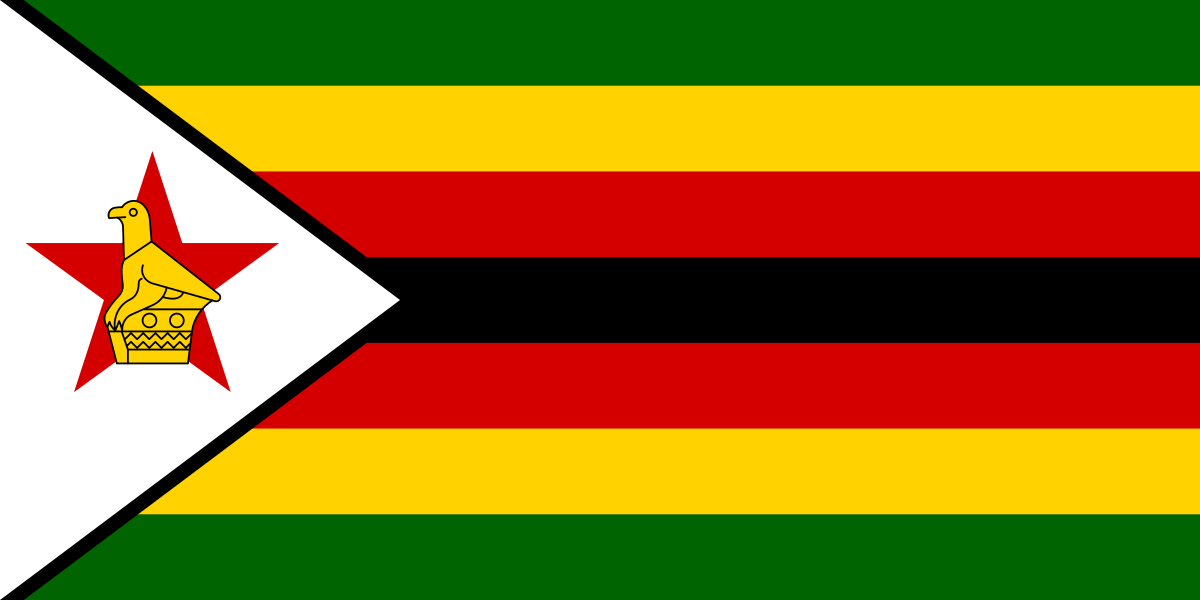
The Flag of Zimbabwe
The flag of Zimbabwe was adopted on April 18, 1980, the day the country gained independence from British colonial rule.
Meaning of the Flag's Colors and Symbols:
Where is Zimbabwe?
Zimbabwe is a landlocked country in the southern part of Africa. It is bordered by South Africa to the south, Botswana to the west, Zambia to the northwest, and Mozambique to the east. The mighty Zambezi River forms a natural border with Zambia and is home to the famous Victoria Falls—one of the largest and most stunning waterfalls in the world.
A Glimpse into Zimbabwe’s History
Pre-Colonial Period
Zimbabwe's early history dates back to the Kingdom of Mapungubwe and later, the Great Zimbabwe civilization (11th–15th century), which built massive stone structures still visible today. The Great Zimbabwe ruins are a UNESCO World Heritage Site.
Colonial Era
In the late 19th century, British colonists led by Cecil Rhodes established Southern Rhodesia, which later became a self-governing British colony. The push for independence was marked by a long liberation war.
Independence and Modern History
On April 18, 1980, Zimbabwe became an independent nation under Prime Minister Robert Mugabe, who later became president. Although the early years of independence brought hope, the nation faced political and economic instability, particularly in the 2000s. Mugabe was ousted in 2017, and Emmerson Mnangagwa became president.
Culture and People
Zimbabwe has a rich and diverse culture influenced by its Shona and Ndebele heritage. The majority of Zimbabweans are Shona, known for their stone sculptures, mbira music (thumb piano), and vibrant traditional dances.
Popular Festivals:
Harare International Festival of the Arts (HIFA)
Zimbabwe International Film Festival
Jikinya Dance Festival – Celebrating traditional dance by school children
Traditional Foods:
Economy and Resources
Zimbabwe has abundant natural resources, including gold, platinum, coal, and diamonds. Despite this, the country has faced severe economic challenges, including hyperinflation, currency instability, and unemployment.
Key Sectors:
In recent years, Zimbabwe has been making efforts to stabilize its economy and attract foreign investment.
Tourism: What to See and Do in Zimbabwe
Despite past economic woes, Zimbabwe remains one of Africa’s top travel destinations. Here are the must-see attractions:
1. Victoria Falls
Known as "Mosi-oa-Tunya" ("The Smoke that Thunders"), it is one of the Seven Natural Wonders of the World and a UNESCO site.
2. Hwange National Park
Zimbabwe’s largest game reserve, home to elephants, lions, leopards, and African wild dogs.
3. Great Zimbabwe Ruins
Ancient city ruins that showcase the architectural prowess of early Shona civilizations.
4. Lake Kariba
One of the world’s largest man-made lakes, perfect for boating, fishing, and wildlife spotting.
5. Matobo Hills
A dramatic landscape of balancing rocks and sacred sites with rock art dating back thousands of years.
Travel Tips:
Fun Facts About Zimbabwe:
Final Thoughts
Zimbabwe is a land of contrasts — from the misty spray of Victoria Falls to the ancient stones of Great Zimbabwe, and from bustling cities to serene wilderness. It is a country rich in history, culture, and natural beauty. While it has faced significant challenges, its resilience and spirit remain strong, making it a destination worth discovering and appreciating.
Would you like to learn about more countries? Stay tuned for more detailed posts as we journey around the world, one flag at a time!
Welcome, Get Daily Updates

0 Comments